


Why Holding Your Phone Camera Steady Is Crucial for Great Photos and Videos
The Impact of Camera Shake on Photo and Video Quality
Ever found yourself struggling to get a steady shot while using your phone? If you’re tired of shaky photos and videos, you’re not alone. Camera shake is one of the most common causes of blurry images, especially when shooting in low light or capturing fast-moving subjects. Even the slightest hand tremor can ruin your shot, leading to fuzzy images or jerky video footage.
In low-light conditions, your phone camera compensates for the lack of light by slowing down the shutter speed, making it even more prone to motion blur. For videos, any shake can make the footage look unprofessional, and a shaky video isn’t something most viewers will want to watch.
Why Steadiness Matters in Different Lighting and Shooting Conditions
Keeping your phone steady is essential not only for achieving sharp images but also for maintaining video smoothness. The importance of steadiness increases dramatically when you’re shooting in low light or recording fast-moving scenes. For example, at night or indoors, your phone’s camera will likely increase the exposure time, making it much harder to avoid blur without a steady hand or stabilizing tool. Similarly, when filming moving subjects, even a small shake can lead to unappealing, shaky footage.
Understanding Handheld Photography vs. Using Stabilizing Tools
Handheld photography can work well in many scenarios, but it’s not always the most reliable option. This is where stabilizing tools—such as camera grips and gimbals—come into play. These accessories can greatly reduce shake and provide you with smoother, clearer shots, helping you achieve the quality you desire, whether for photos or video.
Best Practices for Holding Your Phone Steady Without a Grip

Proper Hand Placement and Posture for Stability
Wondering how to keep your shots steady without any tools? Here’s how you can improve stability using just your hands. First, use both hands if possible. Grip your phone with one hand and support it with the other underneath. This helps reduce the chances of movement. Make sure your elbows are close to your body, as this creates a more stable foundation. Your arms should act as natural stabilizers, keeping your phone in place and minimizing shake.
How to Hold Your Phone with Two Hands for Maximum Steadiness
The best way to steady your phone is by holding it with both hands. Use your dominant hand to control the phone's side, while your non-dominant hand should support the bottom. This method helps you maintain better control, especially when shooting at tricky angles. It also prevents your hands from shaking, particularly when you’re taking photos in low light or recording videos for extended periods.
Using Your Body to Steady Your Phone
Don’t forget that your body can help stabilize your phone, too. Stand with your feet shoulder-width apart and bend your knees slightly to lower your center of gravity. Tuck your elbows into your sides and hold your phone close to your body. This posture creates more support, making your phone less likely to move during shooting. By using your body as a stabilizer, you reduce the risk of shaky photos and videos, even when you’re on the move.
Avoiding Common Mistakes When Holding a Phone Camera
To reduce shake, avoid holding the phone too far from your body or using only one hand. Both of these habits increase the chance of instability. Instead, keep the phone as close to your body as possible and support it with both hands for better control.
How a Phone Camera Grip Can Improve Stability

What is a Phone Camera Grip?
A phone camera grip is an accessory designed to help you hold your phone steadily while capturing photos or videos. It adds extra stability and control, making it easier to achieve clear, sharp shots without worrying about camera shake.
Key Benefits of Using a Phone Camera Grip for Stability
One of the main benefits of using a phone camera grip is its ability to help you hold your phone more steadily, significantly reducing the risk of hand shake. It also distributes your phone's weight more evenly, providing better control during long shooting sessions. This makes the grip especially useful for both casual and professional content creators who want smooth, steady results.
How Phone Camera Grips Reduce Hand Fatigue and Improve Control
Shooting for long periods can lead to hand fatigue, especially if you’re trying to hold your phone steadily. A camera grip helps reduce strain by offering better ergonomics, allowing you to hold your phone comfortably for longer. This is particularly useful for video recording, as the grip provides a steady, consistent hold, minimizing shake and fatigue.
When to Use a Grip for Video vs. Photography
While grips are beneficial for both photography and video, they truly shine in video. A grip helps stabilize your hands, providing smoother footage during movement. For photography, grips are also useful, especially when you’re shooting in challenging conditions like low light or capturing long-exposure shots.
Types of Phone Camera Grips and Stabilizing Accessories

Fixed Grips vs. Adjustable Grips
When choosing a camera grip, it’s essential to decide between a fixed or adjustable model. Fixed grips provide a simple, stable hold for basic photography, while adjustable grips offer flexibility, allowing you to change the angle of your phone or add extra features like tripod mounts. Adjustable grips are ideal for vloggers or content creators who need more versatility.
Phone Camera Grips with Built-In Tripod Mounts
For added stability, some phone camera grips feature built-in tripod mounts, making it easy to attach your phone to a tripod for greater steadiness. This is especially helpful when shooting stationary shots or doing long exposure photography. Having the option to mount your phone on a tripod ensures that your shots are as steady as possible.
The Role of Gimbals and Stabilizers in Enhancing Stability
If you're looking to take your stabilization to the next level, consider using a gimbal or stabilizer. These tools use motors and sensors to automatically adjust for any movement, resulting in smooth, shake-free footage. Gimbals are a fantastic choice for filmmakers, vloggers, and anyone who needs to shoot steady, professional-looking video on the go.
Choosing the Right Phone Camera Grip Based on Your Needs
When selecting the best phone camera grip for your needs, consider factors like ergonomics, size, and features. If you're just getting started with mobile photography, a simple, lightweight grip might suffice. For more dynamic shots or professional video work, you might want a grip with adjustable features, tripod compatibility, or gimbal integration.
Using Stabilizers and Tripods for Ultimate Stability
How a Stabilizer Enhances Steadiness for Long Exposure or Video
For the ultimate stability, consider using a stabilizer. Stabilizers are especially useful for long-exposure photography or video, as they prevent small hand movements from being amplified. Whether you’re filming a slow-motion shot or taking a long exposure photo, stabilizers help ensure a smooth result.
Benefits of Using a Tripod for Mobile Photography and Video
Tripods provide unmatched stability, especially for stationary shots. Whether you're capturing landscapes, portraits, or long-exposure images, a tripod ensures that your phone remains perfectly still. Additionally, tripods allow for more creative freedom by enabling you to adjust your shooting angles with ease.
Integrating a Stabilizer or Tripod with Your Phone Grip
Some phone grips are designed to integrate with tripods or stabilizers, combining the best of both worlds. By adding a stabilizer or tripod to your grip, you can have full control over your shots while benefiting from the added stability of a stationary mount.
How to Choose the Best Phone Camera Grip for Your Needs
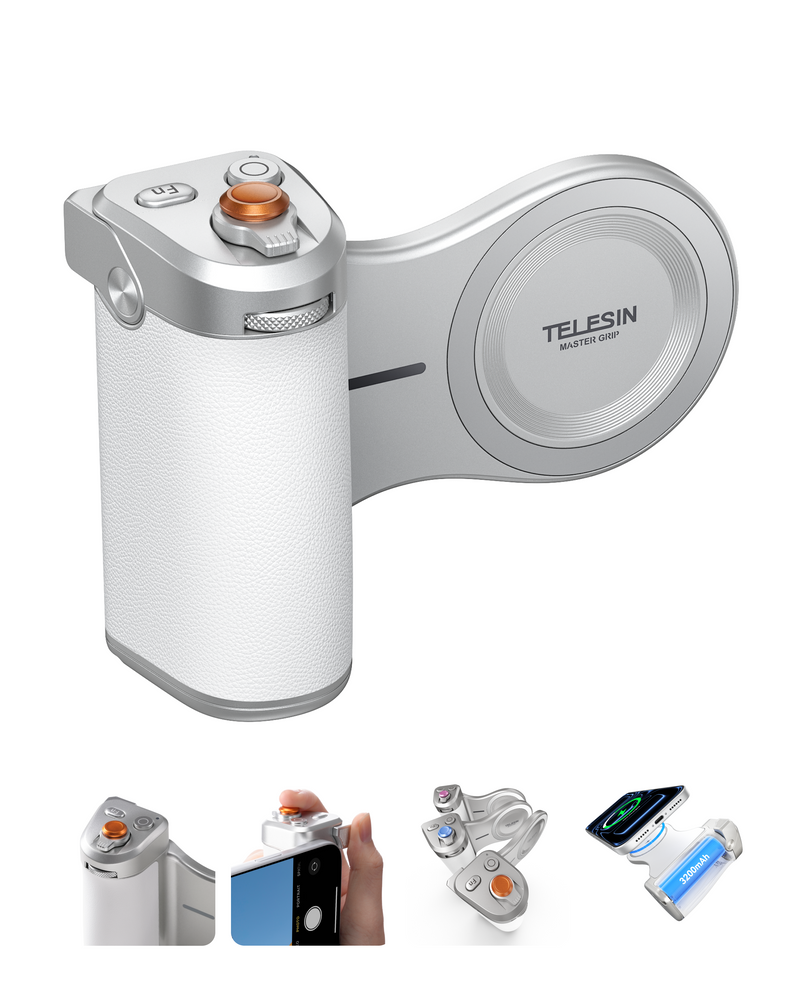
Factors to Consider: Size, Weight, and Ergonomics
When choosing a camera grip, make sure it’s comfortable to use for extended periods. A lightweight, ergonomic design is key to ensuring you can hold it without strain. Look for a grip that feels natural in your hands and allows for easy adjustments during shooting.
Compatibility with Different Phone Models
Ensure that the camera grip you choose is compatible with your phone model. Some grips are universal and can fit a wide range of phones, while others are designed for specific models. Make sure the grip fits your phone securely to avoid accidents.
Additional Features: Tripod Mounts, Cold Shoe Mounts, and More
Many advanced grips come with additional features such as tripod mounts, cold shoe mounts for accessories, or adjustable arms. These extra features make the grip more versatile and can be a game-changer for content creators who need flexibility and functionality.
Best Phone Camera Grips for Different Types of Photography (e.g., Vlogging, Action Shots)
When selecting a grip, think about your photography needs. For vlogging, look for a lightweight, adjustable grip that makes handling easy. For action shots or filming on the move, choose a grip with added stability and control, which is essential for smooth footage.
Conclusion
Recap of Key Tips for Holding Your Phone Steady
To capture stable, high-quality photos and videos, holding your phone correctly is crucial. Use both hands, keep your elbows close to your body, and try to stabilize your body for added support.
How Using the Right Phone Camera Grip Can Improve Your Photography
A good phone camera grip helps you achieve steadier, sharper images and smoother videos. It reduces hand fatigue and lets you shoot for longer without worrying about camera shake.
Final Thoughts on Choosing the Right Grip for Better Stability
Choose the right grip based on your needs, whether you're casually snapping photos, recording videos, or creating more professional content. With the right equipment, you can easily improve the stability of your shots and take your mobile photography to the next level.
FAQs
Q1: How do I hold my phone steady without any accessories?
A1: To hold your phone steady, use both hands. Grip the phone with one hand and support it with the other. Keep your elbows close to your body to reduce shake and use your body for extra stability.
Q2: Can a phone camera grip really improve my photo and video quality?
A2: Yes, a phone camera grip provides a more stable hold, reducing hand shake and improving both photo clarity and video smoothness, especially when shooting for extended periods or in low-light conditions.
Q3: What is the difference between a fixed grip and an adjustable grip?
A3: A fixed grip is static and provides basic stability, while an adjustable grip allows you to change the angle or position of your phone for more flexibility during shooting.
Q4: Do I need a phone camera grip if I'm just taking casual photos?
A4: While not strictly necessary for casual photos, a camera grip can still enhance stability, especially when you want sharper images or smoother videos. It’s particularly helpful in low-light conditions or when filming.
Q5: Can a phone grip be used for video recording as well as photos?
A5: Absolutely! A phone camera grip is especially useful for video recording as it helps to reduce shake, resulting in much smoother footage. It also provides a more comfortable hold for longer video shoots.
Q6: Are phone camera grips compatible with all phone models?
A6: Most phone camera grips are designed to be universal, but it’s important to check the compatibility of the grip with your specific phone model. Some grips have adjustable clamps to fit a range of devices.
Q7: What’s the best phone camera grip for vlogging?
A7: For vlogging, look for a lightweight, adjustable grip with a comfortable handle. Ideally, choose one with a tripod mount or a cold shoe mount for accessories like microphones or lights.
Q8: Can I use a tripod with my phone camera grip?
A8: Yes, many phone camera grips include a built-in tripod mount, allowing you to attach your phone to a tripod for greater stability. This is especially useful for stationary shots and long-exposure photography.
Q9: How do stabilizers improve phone camera stability?
A9: Stabilizers use motors and sensors to counteract hand movement, resulting in smooth, shake-free video footage. They’re perfect for filming moving subjects or shooting in situations where you need maximum stability.
Q10: Is it worth investing in a gimbal for mobile video shooting?
A10: If you’re serious about mobile video production, a gimbal is a great investment. It automatically stabilizes your phone, providing smooth footage even when you’re moving, making it perfect for professional-quality video creation.


